
SanDisk Extreme PRO Portable SSD 4TB USB4 SDSSDE82-4T00-G25 USB-C 40Gbps 3800 MB/s Read IP65 Rugged
Brand:
Sandisk
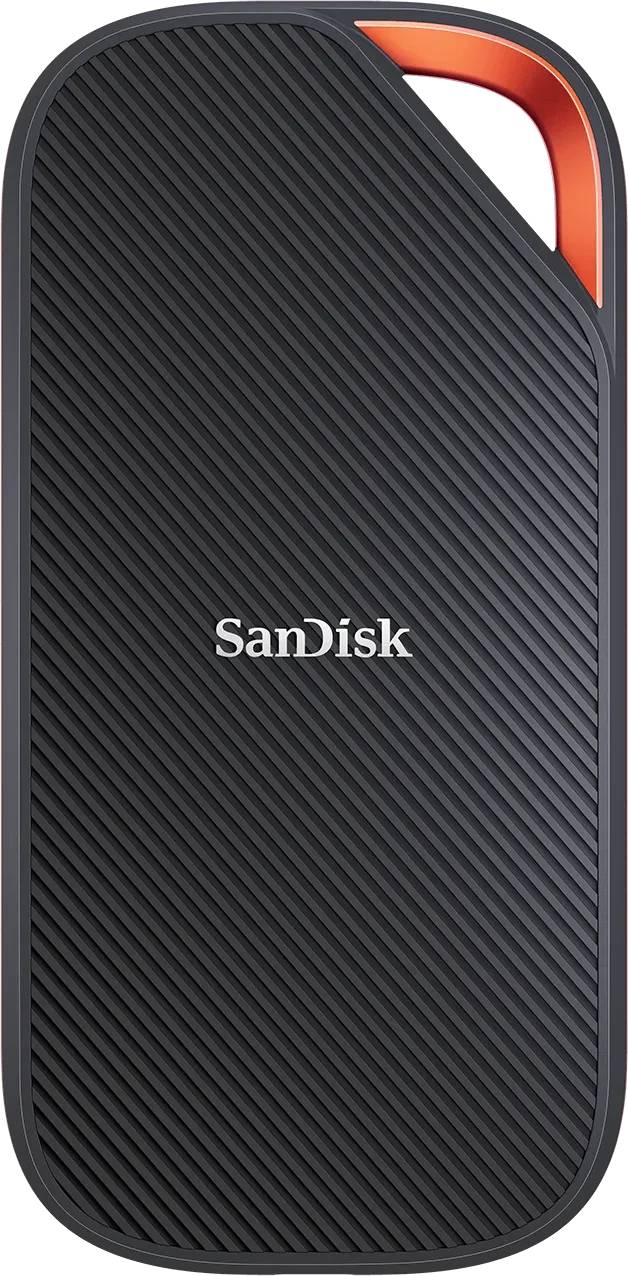
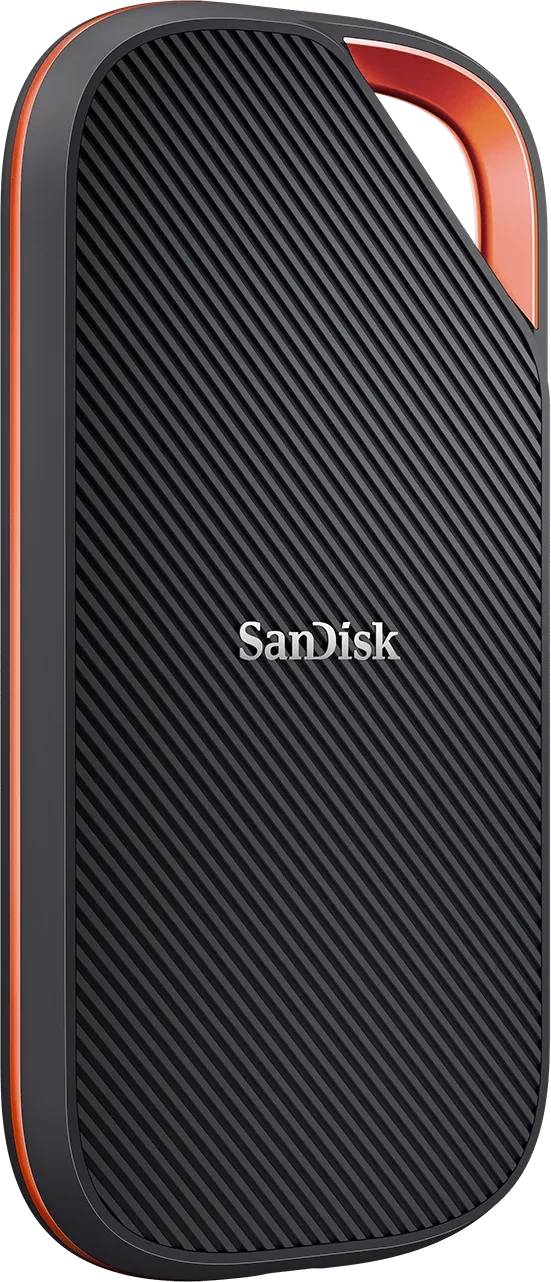
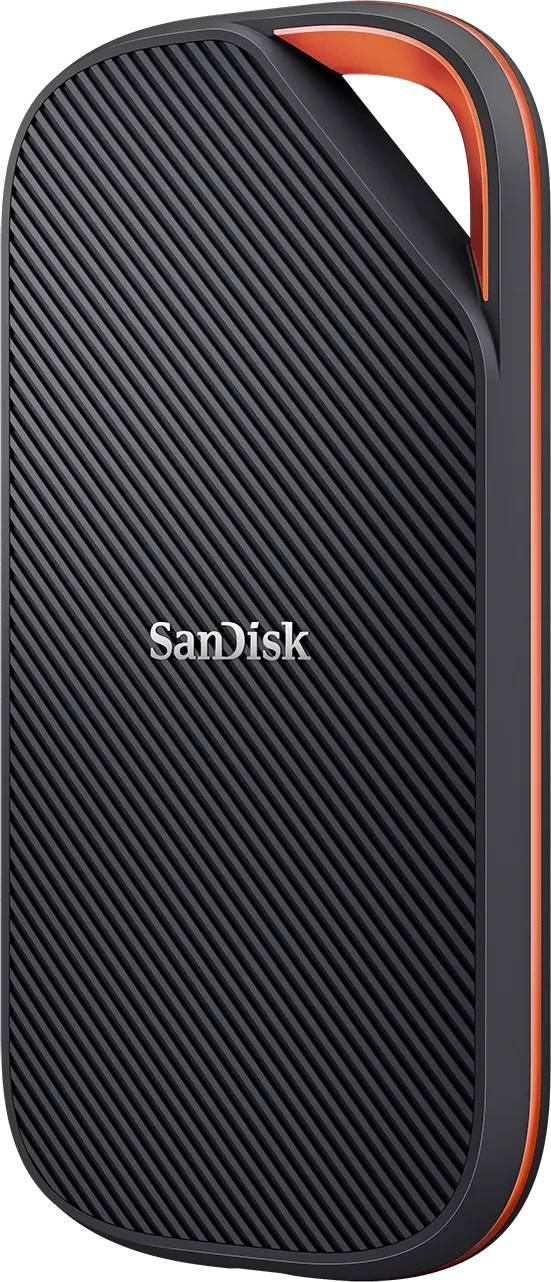
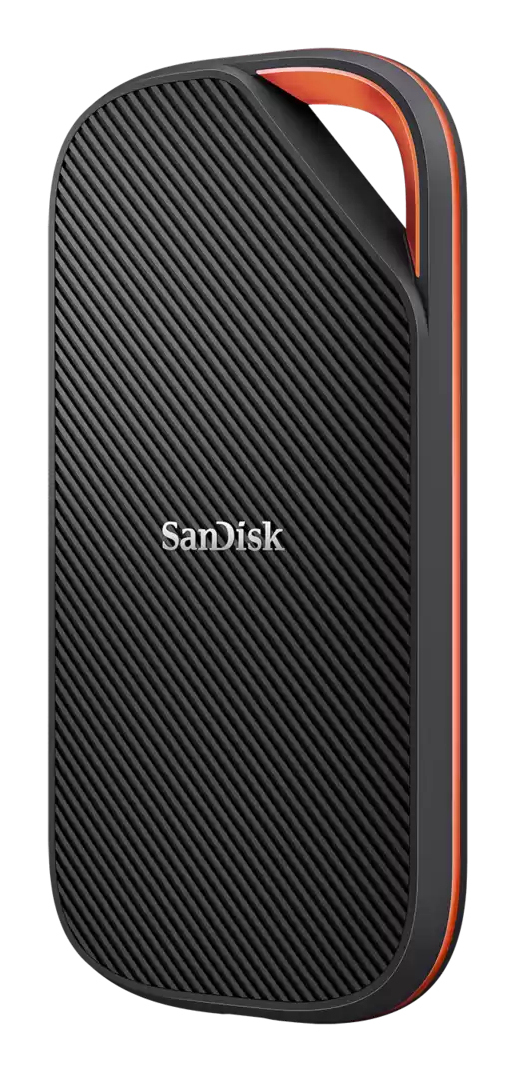
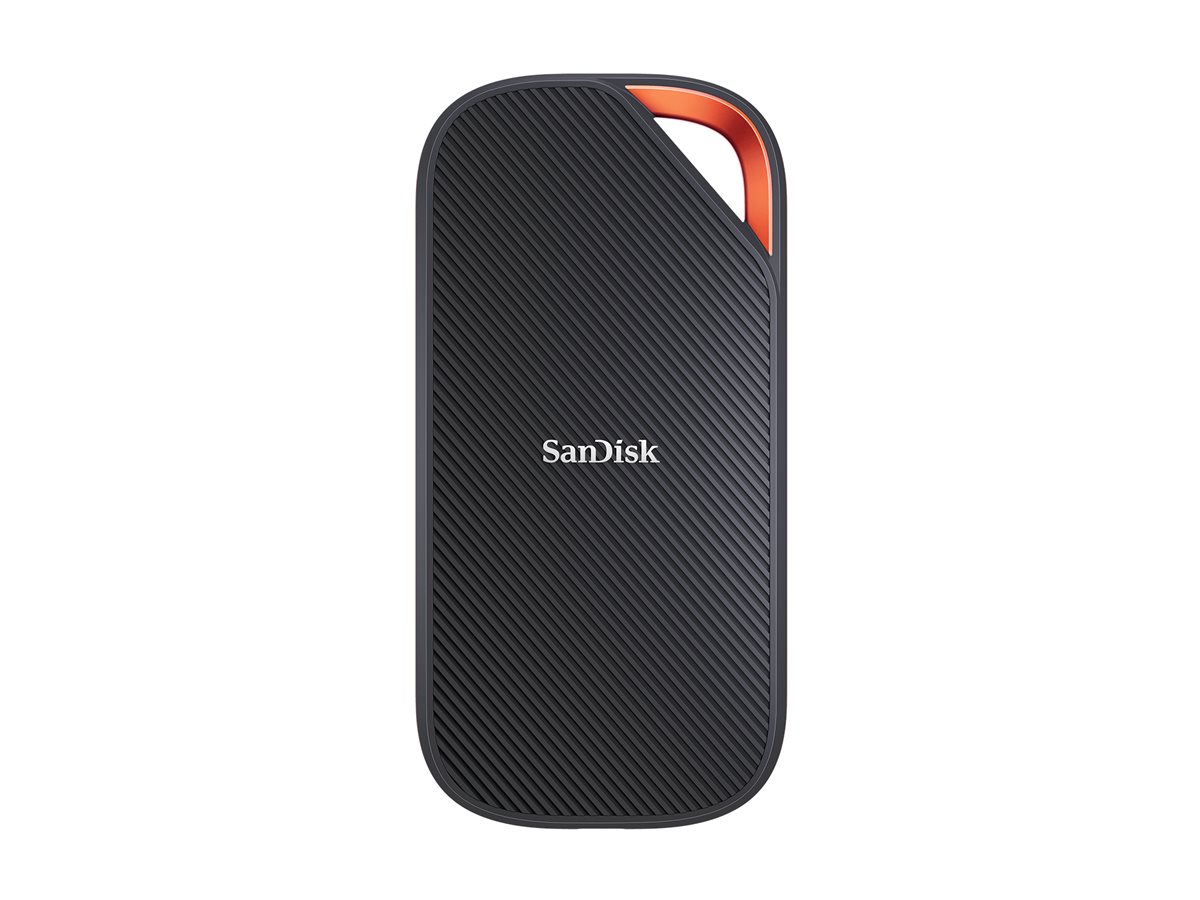
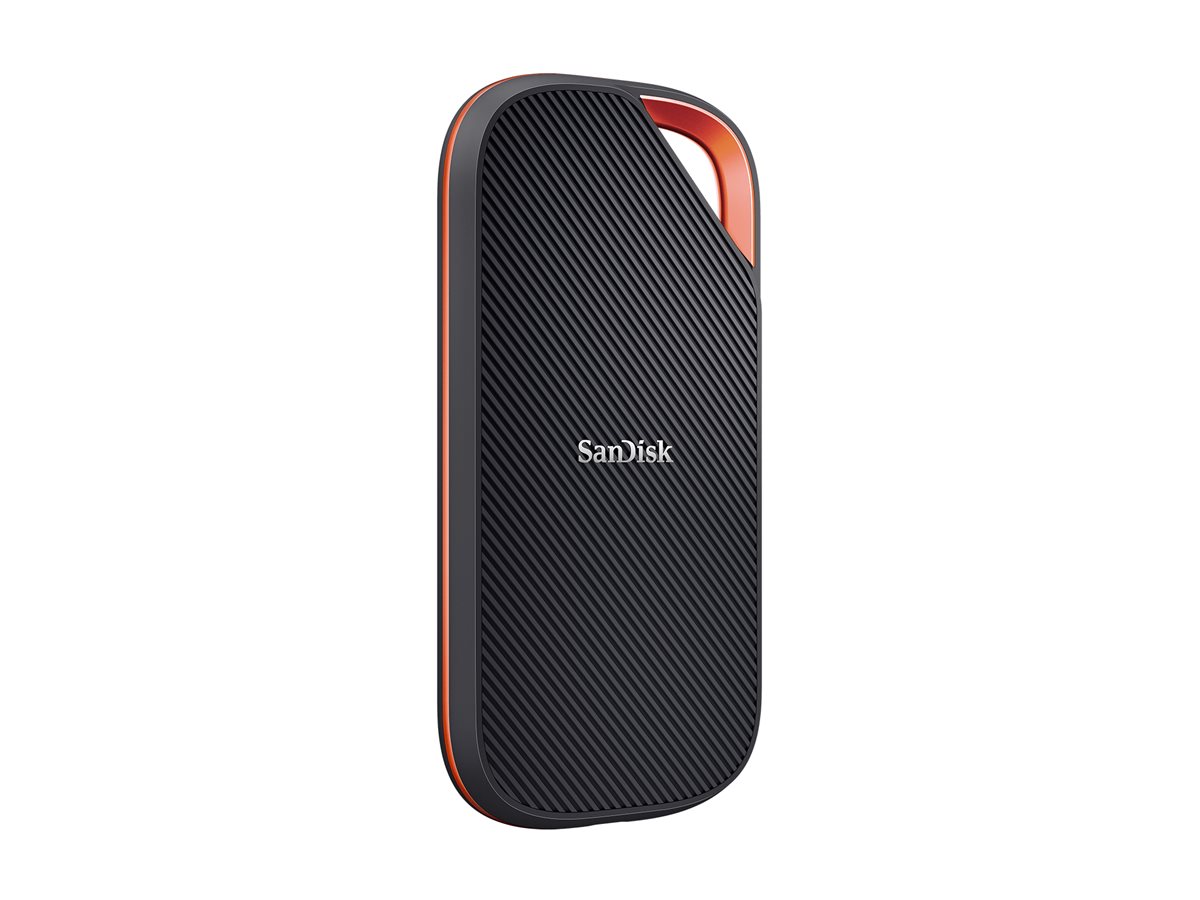


SDSSDE82-4T00-G25
Delivery
Order Today...
Ships...
Delivery...
ℹ️ Large or fragile items (e.g. monitors) may require extra handling time. We'll keep you informed.
Payment options
Trusted Tech Choice
Buying Benefits
Verified
Competitive EU pricing
Delivered to Cyprus from EU stock
Local warranty support
Please sign in so that we can notify you about a reply
SanDisk Extreme PRO Portable SSD 4TB with USB4 — 3,800 MB/s Read, 3,700 MB/s Write
3,800 MB/s read3,700 MB/s writeUSB4 Gen 3x2, 40 GbpsIP65, 4TB
This is the fastest portable drive SanDisk makes: the Extreme PRO with USB4, published at up to 3,800 MB/s read and up to 3,700 MB/s write over a USB4 Gen 3x2 (40 Gbps) connection. Part number SDSSDE82-4T00-G25 is the 4TB model. USB4 is the interface that finally matters for Mac and modern laptop owners, because it is the one their machines actually have — where the older 20 Gbps Extreme PRO is capped on those computers, this drive is not. It comes in a forged aluminium chassis inside a rugged silicone shell, rated IP65, and it is a substantially bigger object than the drives below it in the range.
Compatibility — check before buying:
Read the three trade-offs before you order, because this drive is not simply “the better one”. First, the host: 3,800 MB/s needs a USB4 or Thunderbolt 4 port. SanDisk states backwards compatibility with USB 3.2 and USB 2.0, but publishes no fallback speed figure — on an ordinary 10 Gbps port the drive simply runs at that port’s ceiling, and we will not print a number SanDisk does not. Second, and this one surprises people: SanDisk publishes no encryption for this drive at all. No AES, no password protection — where the 20 Gbps Extreme PRO publishes 256-bit hardware encryption. If your data must be protected, that is a genuine reason to buy the slower model. Third, the physical trade: 170 g against 77.5 g for the Gen 2x2 model, a 2 m drop rating rather than 3 m, an operating floor of 5 °C rather than 0 °C, and only a USB-C to USB-C cable in the box — no USB-A cable and no adapter. On a PS5 the usual console rule still applies: PS5-format games are stored and archived, not launched. Tell us the machine and we will confirm the port before you order.
Best For
✓ Modern Macs and USB4 or Thunderbolt 4 laptops
✓ Video editing directly from an external drive
✓ Multi-stream 4K and 8K timelines
✓ Large ingests where write speed decides the day
✓ Location work in rain and dust
✓ Anyone whose current drive is the bottleneck
Key Features
3,800 read and 3,700 write
Both directions published for this capacity, and both are close to internal NVMe territory. This is the point at which an external drive stops being a place to put files and becomes somewhere you can actually work from without noticing.
USB4 — the port your machine probably has
The older 20 Gbps Extreme PRO needs USB 3.2 Gen 2x2, which no Mac implements. USB4 and Thunderbolt 4 are on every recent Mac and most current laptops, so on those machines this drive is dramatically faster than the model below it rather than marginally so.
Forged aluminium inside a rugged shell
The aluminium chassis pulls heat away from the controller, which is what keeps a 3,800 MB/s drive at speed through a long write, and the silicone shell takes the knocks. IP65 dust and water resistance is published.
4TB of genuinely usable working space
At these speeds 4TB is not an archive that sits still — it is a working volume. A full 4K project can live on it and be edited in place rather than copied back to an internal drive first.
Technical Specifications
Frequently Asked Questions
Singular Expert Insight
The interesting thing about this drive is that its advantage depends entirely on what you own. On a modern Mac or a USB4 laptop it is close to four times the real-world speed of the 20 Gbps Extreme PRO, because that model’s interface is one no Mac supports. On an ordinary 10 Gbps machine the two perform the same and the cheaper one wins. So this is not a straightforward upgrade — it is the right drive for a specific class of computer. Two things it gives up are worth stating plainly: no published encryption at all, where the Gen 2x2 Extreme PRO publishes hardware AES-256, and a 2 m drop rating rather than 3 m. For anyone carrying client material under an obligation to protect it, that first point outweighs the speed. And at these rates the drive is genuinely an editing volume rather than a transport, which is a different way of working: if that is the plan, size it for the whole project rather than for a copy of it.
Buyer’s Guide
Buy it if
Your machine has USB4 or Thunderbolt 4 and you want to edit straight off an external drive. 3,800 read, 3,700 write, IP65 and a forged aluminium chassis built to hold that speed.
Skip it if
Your ports are ordinary 10 Gbps USB-C — the cheaper Extreme performs the same there. Skip it too if the data must be encrypted, since SanDisk publishes no encryption for this model at all.
Also consider
The 20 Gbps Extreme PRO if you need hardware AES-256 and a 3 m drop rating. A 1,050 MB/s Extreme if your ports are 10 Gbps. A desktop drive if the 4TB is for archive rather than editing.
Features - Sandisk - SDSSDE82-4T00-G25
Form Factor
- External
Interface
- USB3.2,
- USB Type-C
More Details
Product Code
CM48177
EAN Code
0619659194406
Manufacturer
Sandisk
Technical specifications
Capacity
4TB