
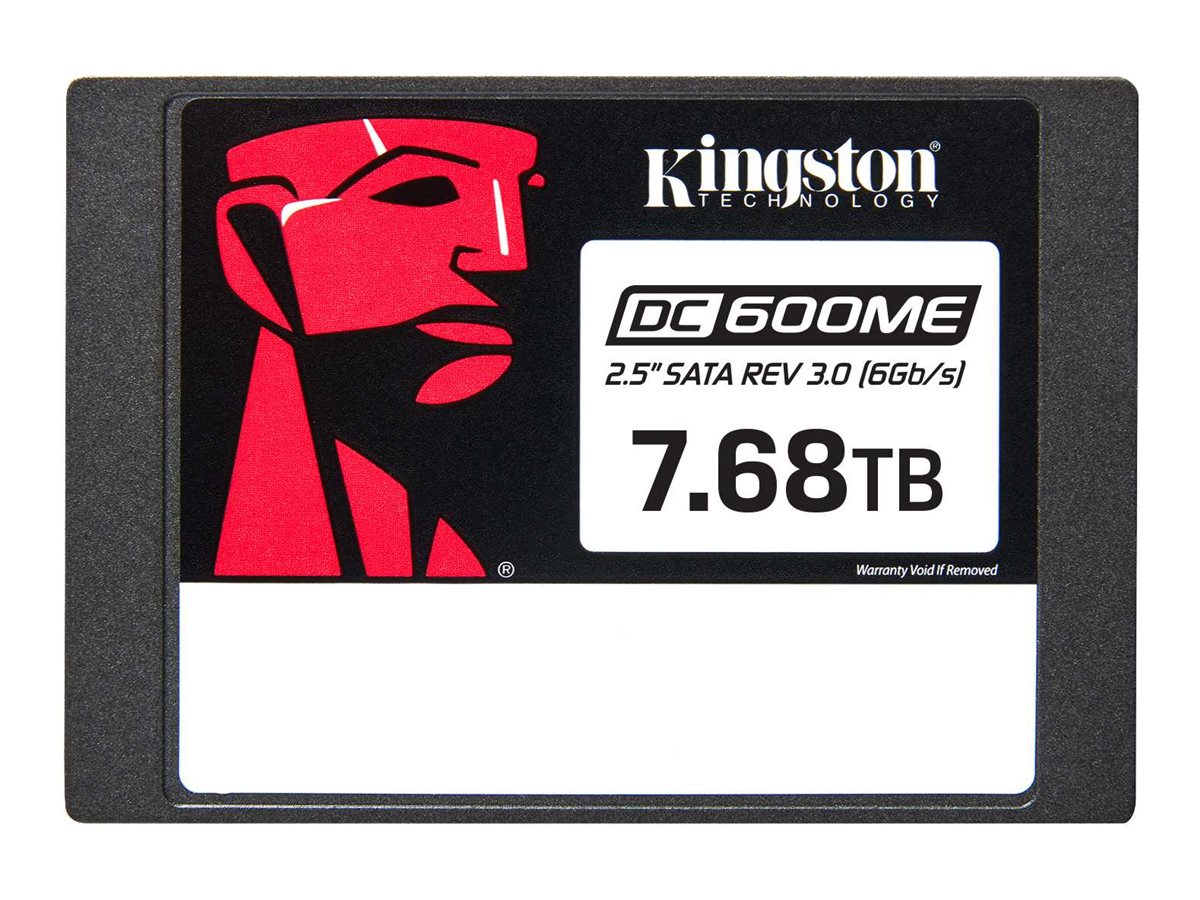
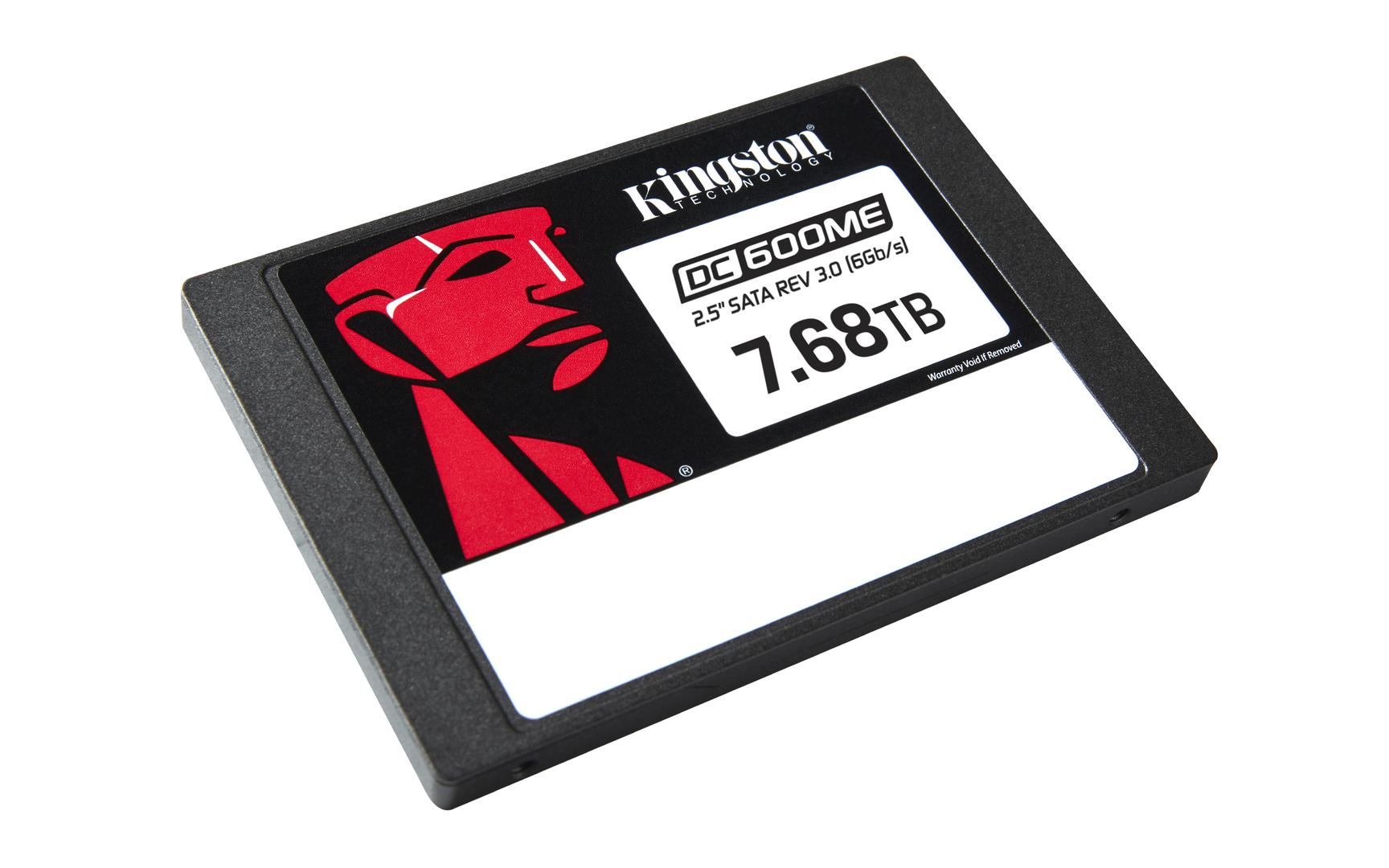
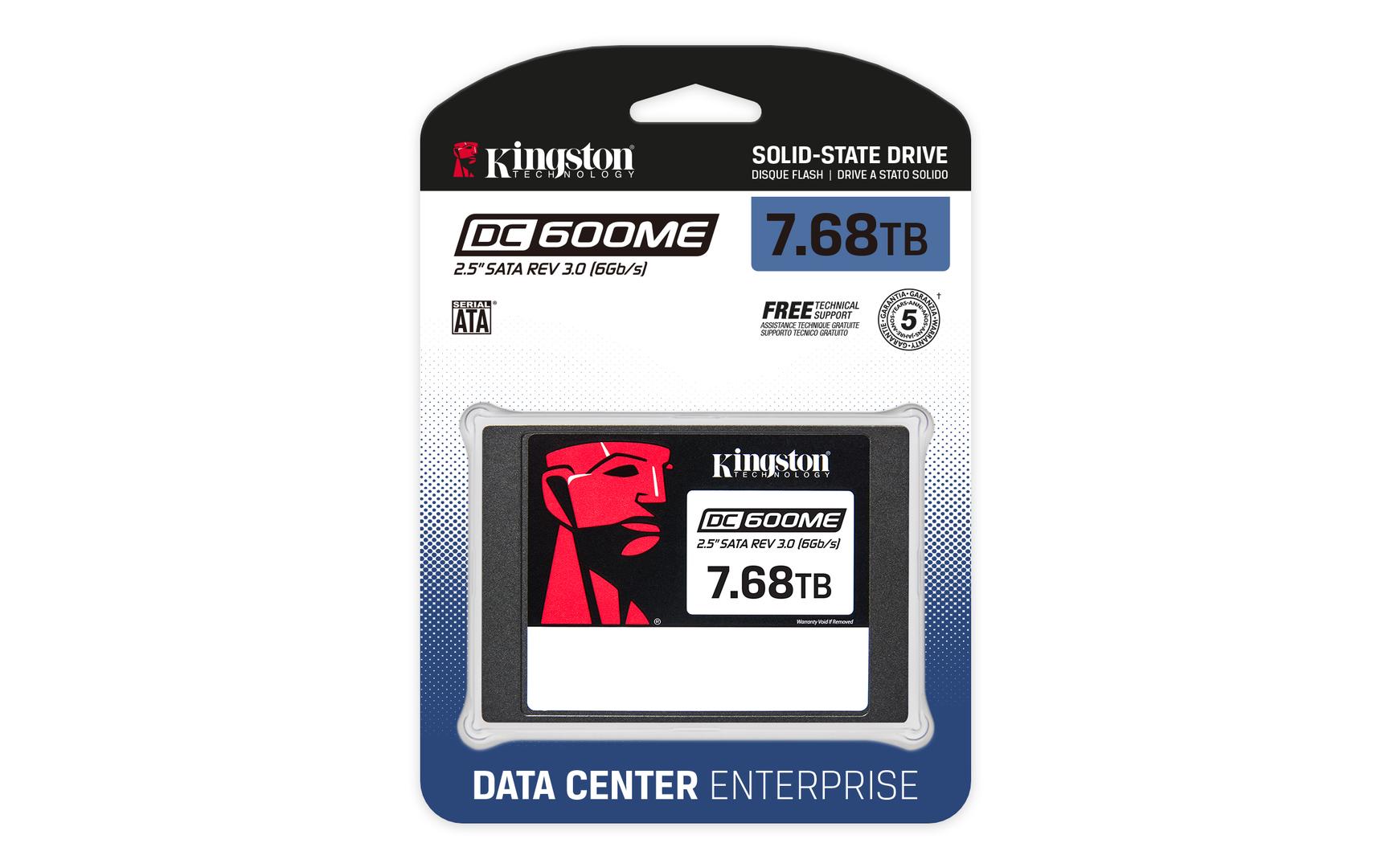
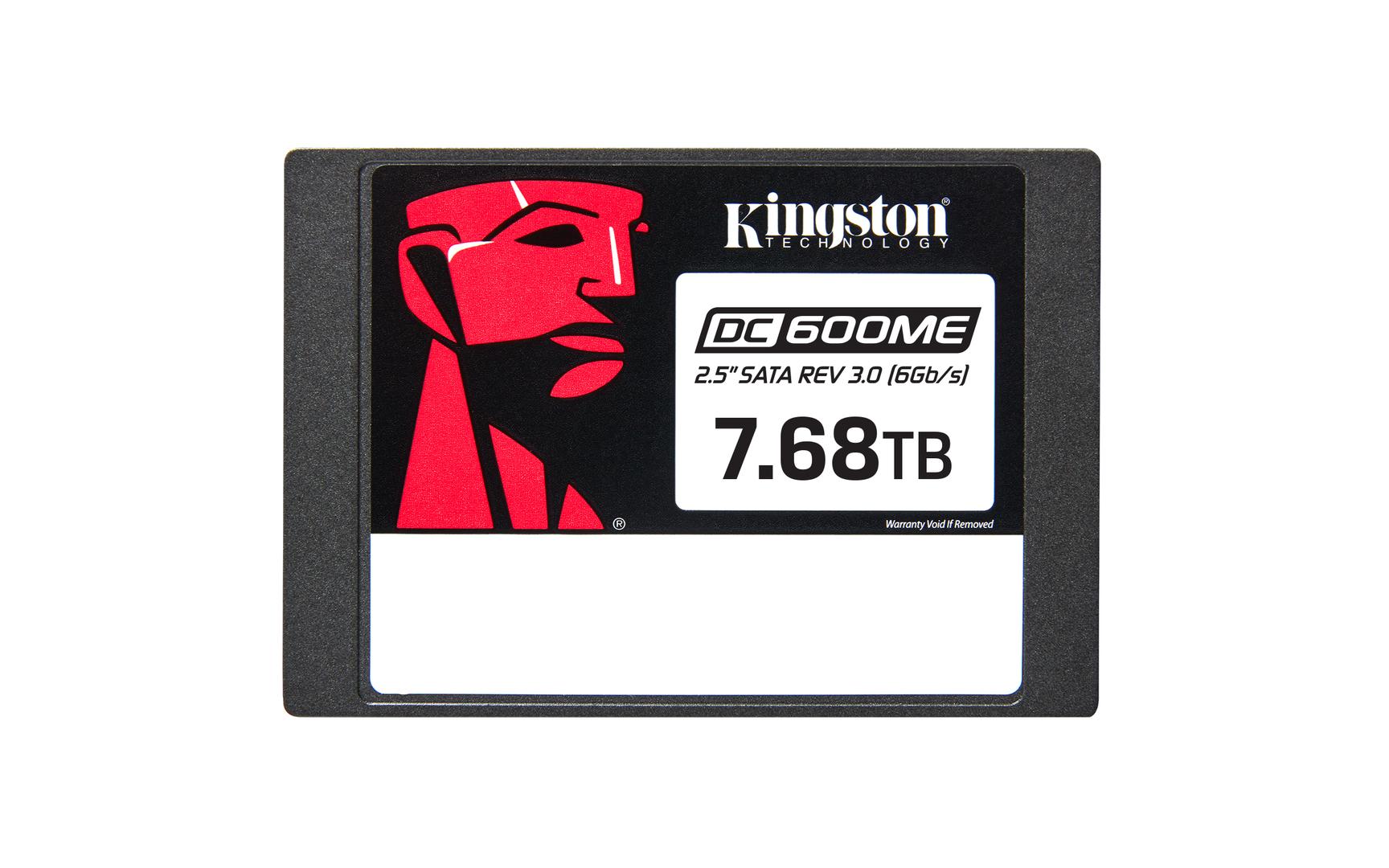
Kingston DC600ME 7.68TB SEDC600ME-7680G Self-Encrypting Enterprise SATA SSD TCG Opal 2.0 AES-256 1 DWPD
Μάρκα:
Kingston

Kingston DC600ME 7.68TB SEDC600ME-7680G Self-Encrypting Enterprise SATA SSD TCG Opal 2.0 AES-256 1 DWPD
€4836.68 inc. VAT


SEDC600ME/7680G
Delivery
Order Today...
Ships...
Delivery...
ℹ️ Large or fragile items (e.g. monitors) may require extra handling time. We'll keep you informed.
Payment options
Trusted Tech Choice
Buying Benefits
Verified
Competitive EU pricing
Delivered to Cyprus from EU stock
Local warranty support
Συνδεθείτε για να μπορέσουμε να σας ειδοποιήσουμε σχετικά με μια απάντηση
Kingston DC600ME 7.68TB — Self-Encrypting Enterprise SATA SSD, TCG Opal 2.0, 1 DWPD
TCG Opal 2.0 + AES-2567.68TB capacity1 DWPD, 14,016 TBWHardware power loss protection
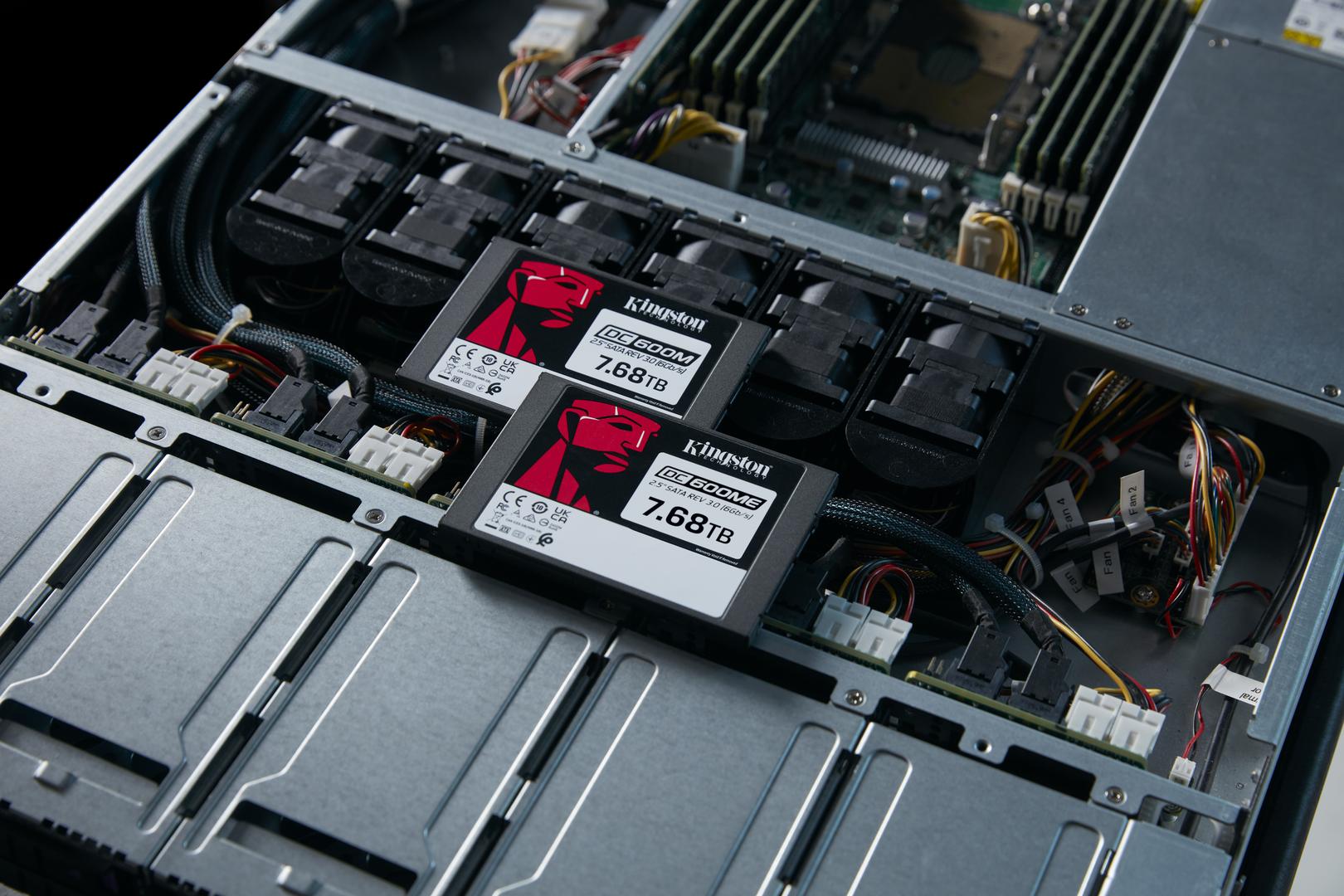
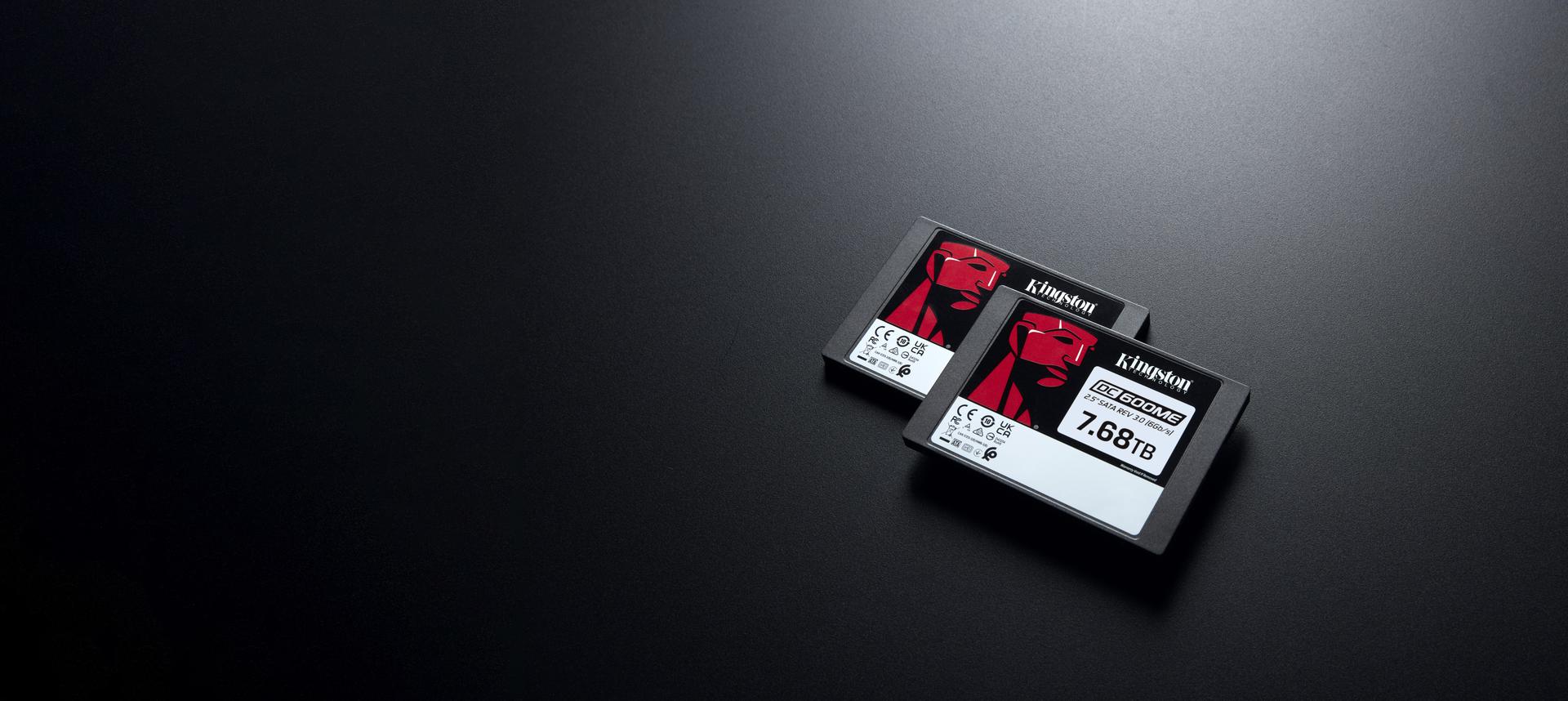
The Kingston DC600ME is the self-encrypting version of the DC600M data-centre SATA SSD, and this is the 7.68TB model — the largest in the line. It carries TCG Opal 2.0 with a hardware AES 256-bit engine, reads at up to 560 MB/s and writes at up to 530 MB/s, delivers 94,000 random read and 34,000 random write IOPS in steady state, and is rated at 1 drive write per day for five years — 14,016 TBW on the JEDEC enterprise workload. Nearly eight terabytes of encrypted capacity on a SATA bay, with the endurance and power loss protection a server needs.
Compatibility — check before buying:
The reason to buy this part rather than the DC600M is one thing: encryption. Kingston publishes both drives on the same datasheet and they are identical in interface, form factor, capacity, NAND, endurance and performance. The DC600ME adds TCG Opal 2.0 and AES-256; the DC600M has none. The two part numbers differ by two characters, so check the one on your order line. Two practical points. TCG Opal needs host or operating-system support to manage — a key-management application, or a BIOS that supports Opal — and without it the drive works normally with the encryption feature simply unused. And SED is about data at rest: it protects a drive that leaves the building, not a running system someone is logged into. On fit, this is a standard 2.5-inch 7 mm SATA drive that goes in any SATA bay and any SATA port; a 9.5 mm-only caddy may need a spacer. Tell us the platform and your key-management approach and we will confirm the drive suits it.
Best For
✓ Servers holding regulated or personal data
✓ Sites where drives must be securely decommissioned
✓ Virtualisation and database hosts under compliance rules
✓ Replacing SATA drives in an existing array
✓ Chassis with no NVMe backplane
✓ Anywhere a failed drive cannot simply be binned
Key Features
TCG Opal 2.0 with AES 256-bit hardware encryption
Encryption is performed by the drive itself, always on, at full speed — there is no software layer and no measurable performance cost. Its practical value comes at end of life: a crypto-erase makes the whole drive unreadable in seconds, so a failed or retired drive does not need physical destruction to be safe to return or dispose of.
Identical to the DC600M, plus a capacity caveat
Same 560 / 530 MB/s, same 1 DWPD endurance, same 3D TLC, same hardware power loss protection — Kingston documents both variants on one datasheet. One thing worth knowing at this capacity: Kingston publishes lower random write IOPS as capacity rises in this line — 78,000 at 1.92TB, 59,000 at 3.84TB, 34,000 here. That is its own published figure, not a family number carried across.
Hardware power loss protection
When the rack loses power mid-write, data already acknowledged to the host is committed rather than lost. This is the feature that most separates an enterprise SSD from a desktop one, and it is present on both DC600 variants.
Published QoS latency and 2 million hours MTBF
Kingston publishes 99.999-percentile latency for this capacity — 200 µs read and 100 µs write, the lowest in the line — with a 2-million-hour MTBF and a UBER of 10⁻¹⁷.
Technical Specifications
Frequently Asked Questions
Singular Expert Insight
The DC600ME exists for one reason, and it is worth being clear about it: compliance and decommissioning. If your organisation must be able to prove a retired or failed drive cannot be read, a self-encrypting drive turns that from a physical-destruction problem into a thirty-second crypto-erase. Everything else on this page is the DC600M, and Kingston documents both on one datasheet — so if no policy requires encryption, the DC600M is the same drive for less. Two limits to hold in mind. The encryption is at rest, not against a live intrusion. And Kingston publishes no FIPS certification for it, so a procurement rule that names FIPS by number is not satisfied by this drive. On the storage side the SATA ceiling of about 560 MB/s applies here as everywhere; if the workload needs throughput rather than capacity per bay, the answer is a U.2 NVMe drive and a backplane to take it. Our full range is in enterprise and server SSDs, and storage controllers and adapter cards covers what a chassis needs to accept NVMe at all.
Buyer’s Guide
Buy it if
Policy requires that data on a retired or failed drive cannot be read, and you need maximum capacity per bay. TCG Opal 2.0 with AES-256 at 7.68TB, 1 DWPD, 14,016 TBW and hardware power loss protection.
Skip it if
No compliance requirement calls for encryption — the DC600M is the identical drive without it, for less. Skip it too if your procurement rule names FIPS specifically, which Kingston does not publish here.
Also consider
The Kingston DC600M 7.68TB if encryption is not required. The 3.84TB DC600ME if random write IOPS matter more than capacity per bay. A U.2 NVMe drive if throughput is the constraint.
Form Factor
- 2.5"
Interface
- SATA
Technical specifications
Μέγεθος
8TB
Χαρακτηριστικά
Product Code
04:517387
EAN Code
0740617347302
Manufacturer
Kingston